

- January 27, 2025
- Posted by: Tom Richert
- Categories: Project Performance, Workflow Reliability
What Reliable Planning Reveals About Project Performance
Many capital projects appear busy long before they become reliable.
Meetings occur regularly. Schedules are updated. Teams work hard to maintain progress. Yet projects still experience interruptions, coordination breakdowns, delayed hand-offs, and growing uncertainty as complexity increases.
These conditions rarely emerge from lack of effort alone. More often, they reflect weaknesses in workflow coordination, readiness systems, communication structures, and planning reliability.
One of the most useful indicators of these operating conditions is planning reliability.
Planning Reliability is More Than a Metric
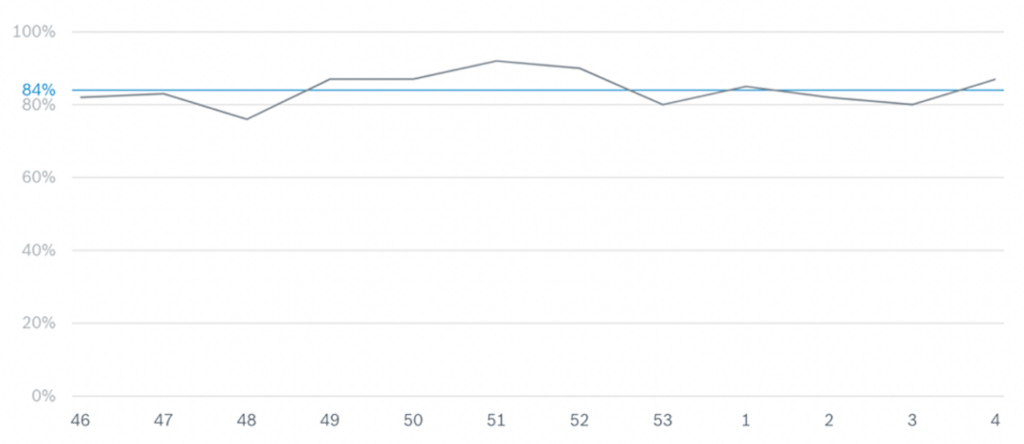
Percent Plan Complete (PPC) is a commonly used indicator within the Last Planner System®. PPC measures the percentage of planned tasks completed as scheduled during a given planning cycle.
At first glance, PPC appears to be a simple productivity measurement. In practice, however, it can provide much deeper insight into the operational health of a project.
Reliable weekly planning reflects the quality of:
- coordination between teams,
- task definition,
- workflow visibility,
- communication systems,
- readiness management,
- and operational learning.
Projects with unreliable planning often experience downstream disruption long before schedule reports reveal meaningful problems.
Not All PPC Numbers Are Equal
High PPC values alone do not necessarily indicate healthy project performance.
Planning reliability becomes meaningful only when work plans reflect well-defined, ready, and coordinated tasks.
Three conditions strongly influence the usefulness of PPC as a diagnostic indicator:
Task Definition
Tasks should represent measurable amounts of work completed by a person or crew within a short duration, ideally a single shift. Smaller, clearly defined tasks improve workflow visibility and expose coordination problems earlier.
Tasks Anticipated
Projects with mature planning systems develop the ability to anticipate upcoming work reliably. Teams operating reactively often plan only obvious or immediately visible tasks, creating the appearance of reliability while masking instability elsewhere in the workflow.
Tasks Made Ready
Reliable planning depends on ensuring work can begin as scheduled. Materials, information, access, approvals, labor, and prerequisite work must all be available before tasks enter the weekly work plan.
When projects consistently place unready work into active plans, workflow instability increases rapidly.
Reliable Planning Supports Faster Project Delivery
Projects finish faster when workflow becomes more reliable.
Reliable workflow reduces:
- interruptions,
- waiting,
- resequencing,
- management burden,
- and coordination friction.
This allows teams to spend less time reacting to disruption and more time advancing productive work.
Planning reliability also improves communication and hand-offs across trades, disciplines, and stakeholder groups. As reliability increases, projects often experience meaningful gains in productivity, schedule confidence, and operational stability.
Variance Learning Matters More Than Scorekeeping
The greatest value of planning reliability systems often comes not from the metric itself, but from the learning generated through plan variance analysis.
High-performing teams actively study:
- missed commitments,
- unexpected workflow interruptions,
- early task completions,
- coordination failures,
- and readiness breakdowns.
These variances provide visibility into the operating conditions influencing project performance.
Organizations that review and respond to these conditions rapidly tend to improve planning reliability much faster than teams focused primarily on reporting scores.
Advanced teams increasingly move beyond weekly learning cycles by evaluating workflow conditions daily through structured huddles, rapid feedback, and operational visibility systems.
Final Thought
Reliable project performance rarely emerges from effort alone.
It is usually the result of leadership systems that support:
- coordination,
- readiness,
- communication,
- operational visibility,
- and continuous learning across the project lifecycle.
Planning reliability metrics become most valuable when organizations treat them not as scorekeeping tools, but as diagnostic indicators of the operating conditions shaping project delivery performance.